
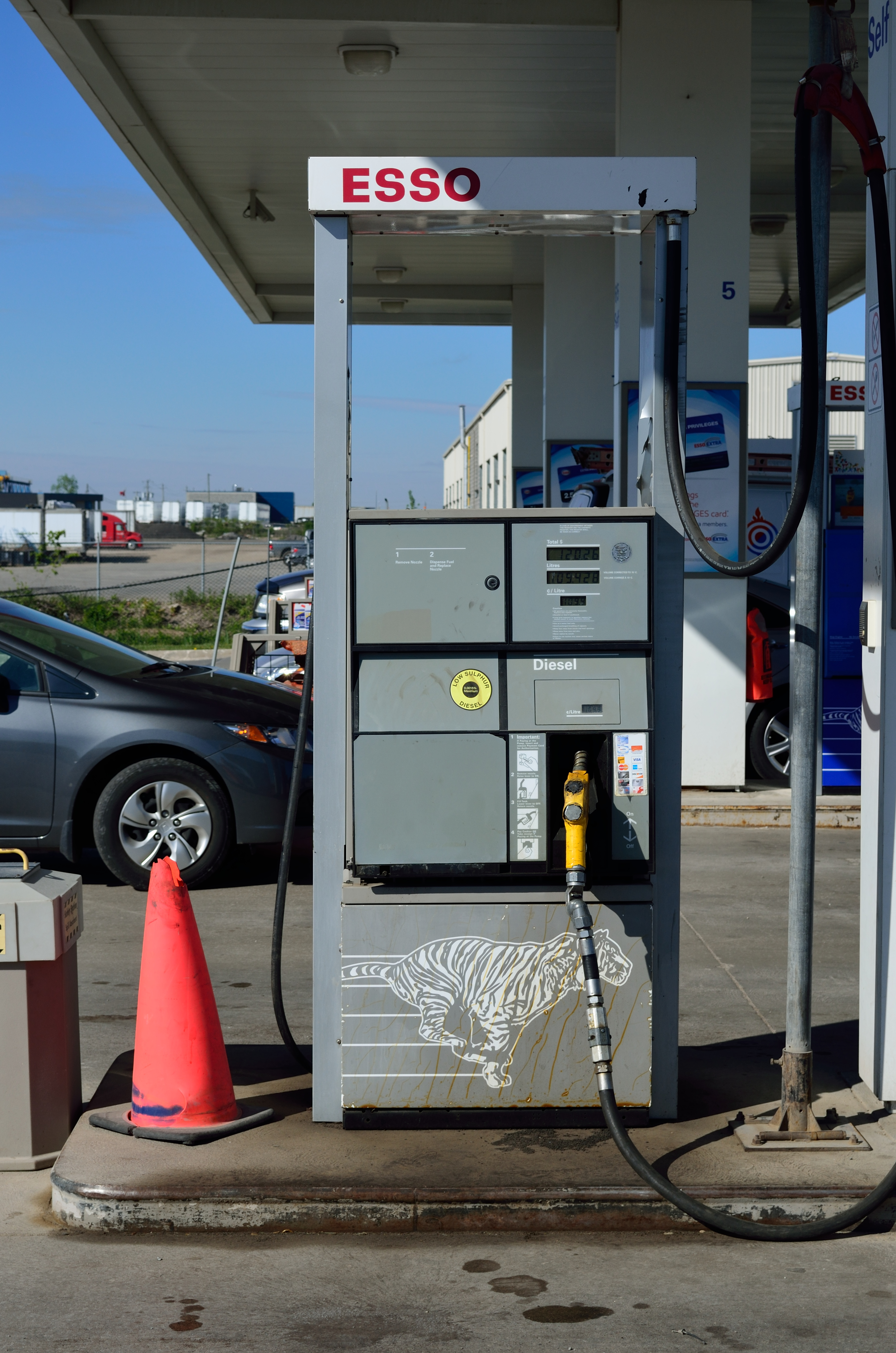
Image: Representative diesel pump. Raysonho via Wikimedia Commons, CC0.
Updated Sunday, September 13, 2026: Diesel prices in the United States have hit another record, creating new pressure for businesses, truckers, farmers, retailers and consumers. According to AAA Fuel Prices, the national average for diesel reached $6.2040 per gallon on September 13, while regular gasoline averaged $4.3130 per gallon.
This is more than a fuel story. Diesel powers the trucks that move groceries, the farm equipment that helps produce food, the delivery networks behind online orders, and parts of public transportation and emergency power systems. When diesel gets expensive, the cost can move through the economy quickly.
Why Diesel Prices Are Rising
The latest surge is tied to several global supply shocks at once. The Associated Press reported that disruptions from the U.S.-Iran conflict, reduced shipping through the Strait of Hormuz, Houthi attacks affecting Saudi energy infrastructure, and Ukraine’s strikes on Russian refining capacity have all tightened the diesel market.
Oil prices have also been volatile. Brent crude recently moved back above $100 a barrel, a level that makes businesses nervous because crude oil is the main input for fuels such as gasoline and diesel.
Why Businesses Are Worried
For many companies, diesel is not optional. Trucking companies, grocery distributors, construction firms, farms, delivery services and manufacturers all depend on it. Unlike regular drivers, businesses cannot easily “drive less” when they have contracts, delivery deadlines and supply chains to maintain.
That means higher diesel costs often become fuel surcharges, higher delivery fees, more expensive freight contracts and tighter profit margins. Small businesses are usually hit hardest because they have less room to absorb sudden cost increases.
Groceries Could Get More Expensive
Food is one of the biggest areas to watch. Diesel is used across the food supply chain, from tractors and fishing boats to refrigerated trucks and grocery store deliveries. Perishable goods such as meat, seafood, fruit and vegetables can be especially sensitive because they require frequent restocking and temperature-controlled transport.
Consumers may not see the full effect immediately. Many retailers and suppliers operate under contracts that delay price changes. But as contracts reset and fuel surcharges spread, shoppers could see more pressure in the grocery aisle.
Online Shopping and Delivery Fees
Higher diesel prices can also affect e-commerce. Packages move through warehouses, trucks, vans, airports and sorting hubs. When transportation costs rise, companies may add or increase fuel-related fees.
The AP reported that major delivery and logistics networks have already used surcharges during the broader fuel shock. For online shoppers, this can show up as higher shipping costs, slower discounts, or price increases built into everyday products.
Small Businesses Face a Profit Squeeze
Small retailers, restaurants, contractors and local delivery companies often feel diesel inflation before customers notice it. A bakery may pay more for ingredient delivery. A landscaper may spend more moving equipment. A local store may face higher wholesale freight costs.
Some businesses can pass costs to customers. Others cannot, especially in competitive markets where consumers are already cutting back. That creates a margin squeeze: expenses rise, but sales may not grow fast enough to cover them.
Key Numbers
- Diesel national average: $6.2040 per gallon as of September 13, 2026, according to AAA
- Regular gasoline average: $4.3130 per gallon as of September 13, 2026
- Diesel one week earlier: $5.8970 per gallon
- Diesel one month earlier: $5.4043 per gallon
- Diesel one year earlier: $3.6981 per gallon
Why This Story Could Go Viral
This topic has strong search potential because it affects almost everyone. Readers are likely searching for terms like diesel prices today, why are groceries so expensive, shipping fees rising, gas prices 2026, oil prices today, inflation news and small business costs.
The story also connects business, politics, war, oil markets and household budgets. That combination makes it highly shareable because people can feel the impact directly in their weekly expenses.
What Happens Next?
The next major thing to watch is whether oil supplies stabilize. If conflict around the Middle East and Russian refining continues, diesel could remain expensive for longer. If supply routes improve and crude prices ease, businesses may get some relief.
Central banks will also watch fuel prices closely. Expensive diesel can keep inflation sticky, which may influence interest-rate decisions. Higher rates would add another challenge for businesses already dealing with fuel, rent, wages and inventory costs.
FAQ
Why is diesel more important for business than regular gasoline?
Diesel powers much of the freight, farming, construction and delivery economy. When diesel rises, business costs can rise across many industries.
Will grocery prices go up because of diesel?
They may. Food often requires diesel-powered farming, trucking and refrigeration. The impact can take time to reach shelves.
Why are diesel prices at record highs?
Supply disruptions, oil market volatility, Middle East tensions and reduced refining/export capacity have all contributed to higher diesel prices.
Who is hurt most by high diesel prices?
Truckers, farmers, delivery companies, small businesses and consumers buying transported goods are among the most affected.